
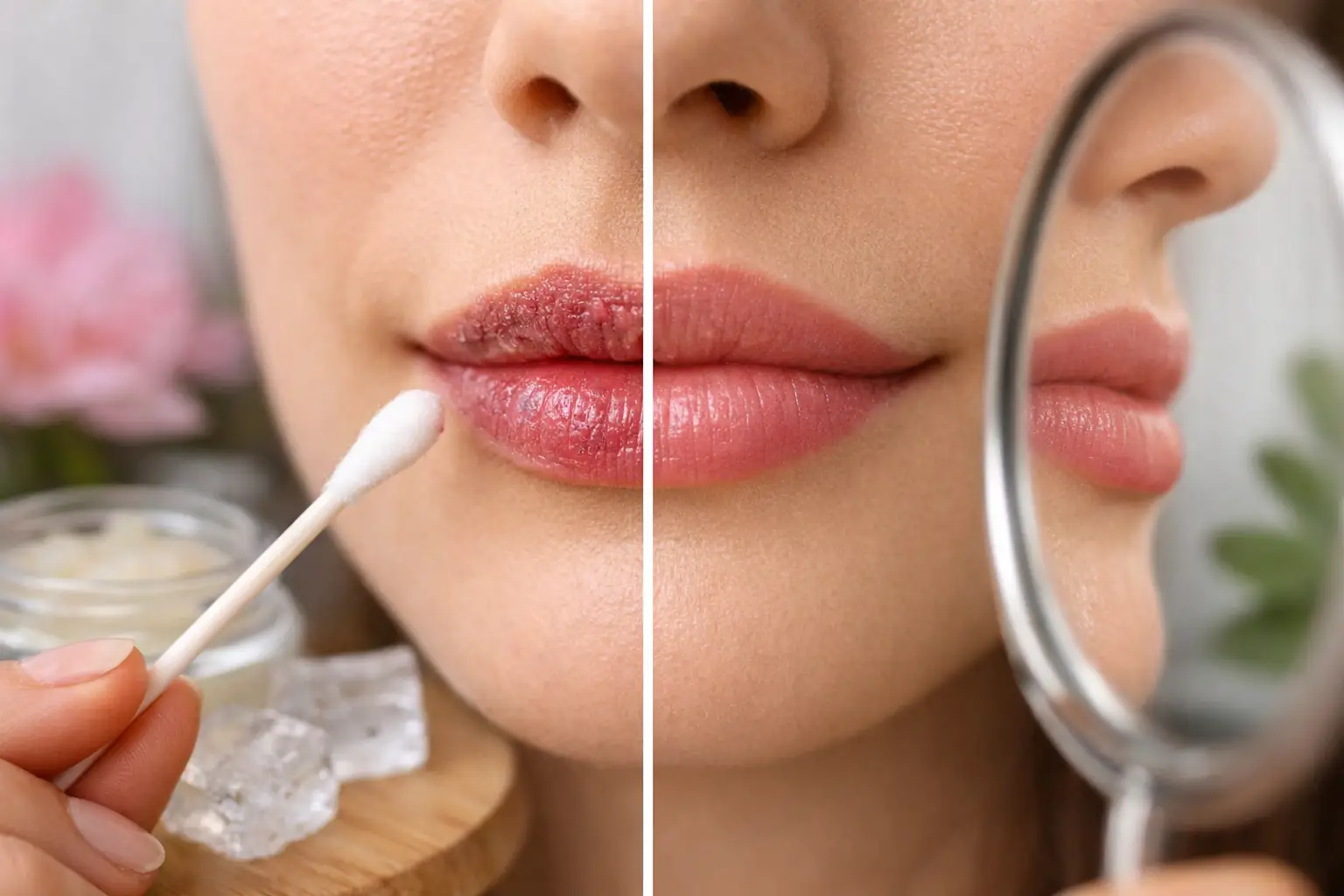
Freshly blushed lips can look beautifully defined right away, but the first color you see is not your final result. Lip blushing healing time generally lasts four to six weeks, with the most noticeable changes happening during the first 10 days. Knowing what is normal helps you plan confidently, protect your investment, and enjoy the soft, polished color waiting beneath the healing skin.
How Long Does Lip Blushing Take to Heal?
Most clients are socially presentable within about a week, though lips may still be lightly dry or peeling. Full internal healing takes longer. Your pigment needs time to settle beneath the skin, and the color often appears lighter or uneven before it blooms into its intended tone.
For many clients, the timeline looks like this: initial healing takes five to 10 days, surface texture settles over the next few weeks, and the most accurate color appears around weeks four through six. A perfecting session is commonly scheduled after the lips have fully healed, since it allows your artist to assess pigment retention and make thoughtful adjustments.
Healing can take a little longer if your lips are especially dry, if you are prone to cold sores, if you have a stronger exfoliation cycle, or if your natural lip tone needs more neutralization. Every lip holds pigment differently. That is why luxury permanent makeup should always be personalized rather than rushed.
Lip Blushing Healing Time: Day-by-Day Changes
Days 1-2: Bright, swollen, and freshly enhanced
Immediately after your appointment, your lips may look more vivid, warmer, and slightly fuller than expected. Mild swelling and tenderness are normal, particularly on the first day. The bright color is partly the fresh pigment at the surface and partly the natural response of newly treated skin.
This is not the moment to judge your final shade. A soft rose, nude, berry, or neutral pink can initially look more intense than the finish you selected. By the next day, swelling typically begins to ease.
Days 3-5: Dryness and light flaking begin
Your lips may feel tight, dry, or chapped as the skin begins to renew itself. Fine flakes are common. Resist the urge to pick, rub, scrub, or pull at them, even if a small edge is tempting. Removing healing skin too soon can pull pigment with it and create uneven retention.
Follow the aftercare instructions from your artist closely, including use of the recommended healing balm. A thin, clean layer is usually better than overapplying product. Your lips should be protected, not smothered.
Days 5-10: The color may look very light
Once flaking settles, many clients experience the “ghosting” phase. The lips can look lighter than they did before the appointment, and some areas may seem as though they lost color altogether. This can feel alarming, but it is a standard part of the process.
The pigment has not necessarily disappeared. It is settling beneath fresh layers of skin, where it may be temporarily muted. Give your lips time before deciding how the result is developing.
Weeks 2-4: Color returns gradually
As your lips continue healing, the color begins to reappear. It may return unevenly at first, then become softer and more balanced. This is when the treatment starts to look like the effortless everyday enhancement clients love: not heavy lipstick, but a refreshed, healthy-looking lip tone with better definition.
Weeks 4-6: Your healed color comes into view
By this point, the pigment has had time to settle. Your artist can better evaluate whether your lips retained evenly and whether you would benefit from a touch-up for added saturation, shape refinement, or warmth correction. The healed result is always softer than the first-day color.
What Can Affect Your Healing Result?
Lip blushing is a refined cosmetic tattoo, and beautiful results depend on both precise artistry and thoughtful aftercare. Skin type, hydration, lifestyle, medications, sun exposure, and your body’s natural healing response can all affect how the pigment heals.
Florida clients have one extra consideration: heat and sun. A day at the beach, poolside lounging, or intense outdoor workouts can be hard on freshly treated lips. Sweat, UV exposure, and prolonged heat can irritate healing skin and may affect pigment retention. Plan your appointment around vacations, pool days, and major events whenever possible.
If you have a history of cold sores, tell your provider before booking. Lip procedures can trigger an outbreak in susceptible clients, and a medical professional may recommend preventive antiviral medication. This is a conversation to have before your service, not after your lips are already healing.
It also helps to be realistic about the finish you want. Lip blushing enhances your natural lip color and shape, but it is not designed to mimic opaque matte lipstick every morning. If you prefer a bolder look for an event, you can still add your favorite gloss or lipstick once your lips are completely healed.
Lip Blushing Aftercare That Protects Your Color
The first week requires a little restraint, but it is temporary. Treat your lips gently and keep your routine simple. Use only the aftercare product your artist recommends, apply it with clean hands or a clean applicator, and avoid touching your lips unnecessarily.
During initial healing, avoid soaking the area in pools, hot tubs, or the ocean. Skip saunas, steam rooms, and high-heat workouts that create heavy sweating. Avoid direct water pressure on your lips in the shower, and do not use exfoliants, retinol, acids, whitening products, or active skincare around the mouth until your artist clears you.
Be careful with meals and drinks for the first few days. Spicy, salty, acidic, or very hot foods can cause discomfort and irritation. A straw can be helpful when drinking, especially with coffee or other beverages that may stain. Keep the lip area clean after eating, then reapply the approved balm as instructed.
For long-lasting color, sun protection matters after healing too. Once your artist confirms it is safe, use an SPF lip product to help reduce premature fading. This is one of the easiest ways to protect a polished result through Tampa Bay sunshine, outdoor brunches, beach weekends, and everyday errands.
When Should You Contact Your Artist?
Some dryness, tenderness, light swelling, and flaking are expected. Signs that deserve prompt attention include worsening pain, significant swelling that does not improve, spreading redness, unusual discharge, fever, or an allergic reaction. Contact your artist for guidance and seek medical care when symptoms suggest infection or another health concern.
For cosmetic questions, patience is often the answer during the first few weeks. Do not try to correct fading with lip liner, exfoliation, extra balm, or at-home treatments while the area is still healing. Wait for your scheduled follow-up so your artist can assess the settled pigment accurately.
At The Permanent Makeup Studio, lip blushing is designed to give your features a softly polished finish without asking you to reach for lipstick every morning. Give the healing process the same care you give the appointment itself, and let your final color reveal itself on its own schedule.