
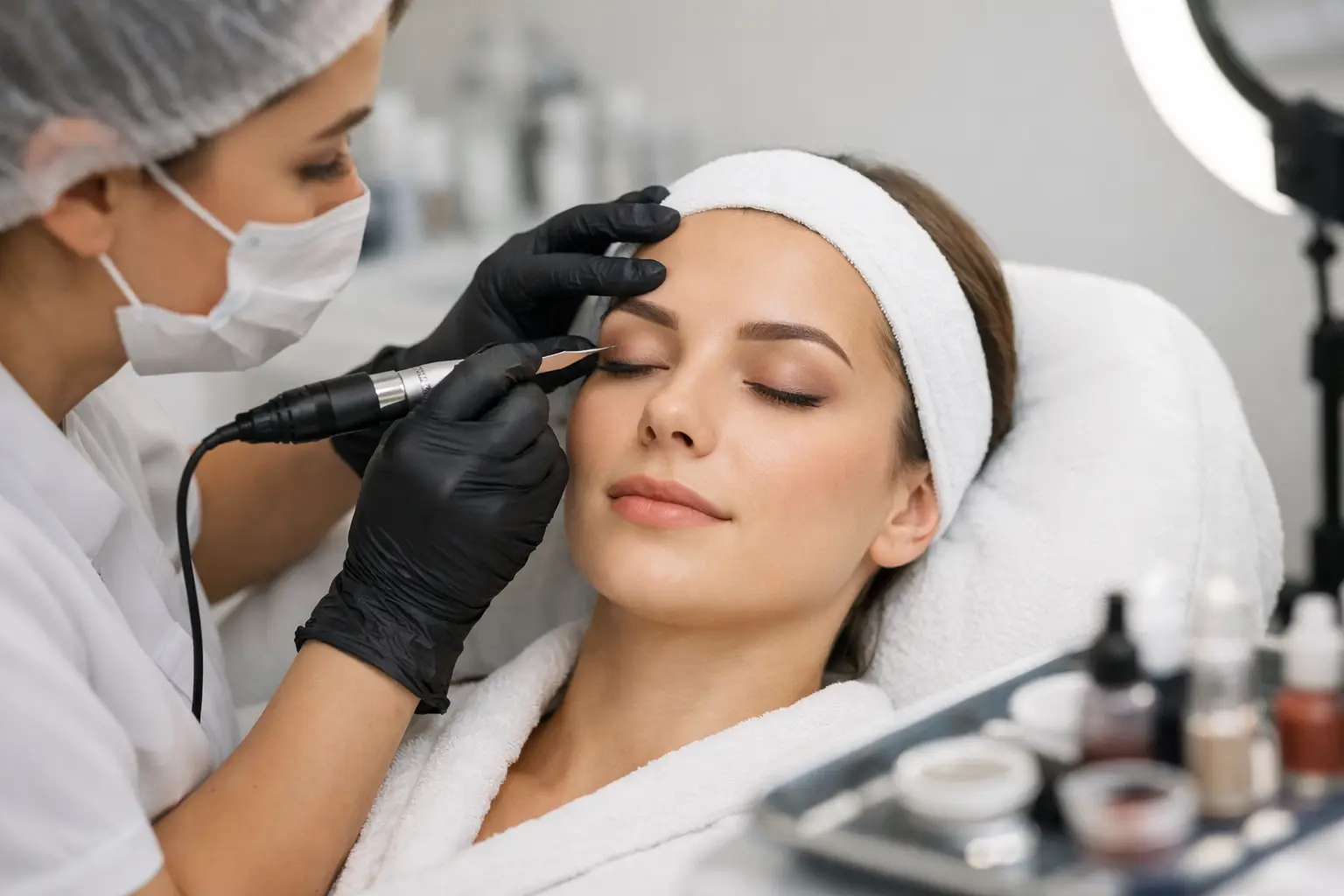
A beautiful brow, softly blushed lip, or defined lash line should make your morning easier – not leave you guessing about your health. This permanent makeup safety guide is designed for clients who want luxury, lasting results and the peace of mind that comes from making an informed choice before pigment ever touches the skin.
Permanent makeup is a cosmetic tattoo procedure. That means artistry matters, but sanitation, skin assessment, informed consent, and aftercare matter just as much. The right treatment can look beautifully effortless. The right preparation helps protect both your results and your well-being.
Permanent Makeup Safety Starts Before Your Appointment
Safety is not something that begins when you sit in the treatment chair. It begins with choosing a qualified artist and having an honest consultation. A skilled permanent makeup professional should welcome questions, explain the process in plain language, and assess whether the service is appropriate for you right now.
Ask how the artist approaches sanitation, what type of pigments and needles are used, and what to expect during healing. You should understand the design process, the likely number of sessions, the possibility of a touch-up, and the fact that healed color can look softer or cooler than it does immediately after an appointment.
Permanent makeup is not one-size-fits-all. Your skin type, lifestyle, medications, previous cosmetic tattooing, and desired look all affect the treatment plan. Oily skin, for example, may retain hairstroke brows differently than dry skin. Lip blushing may heal unevenly if lips are prone to dryness or cold sores. A thoughtful artist adjusts the approach instead of promising identical results for every face.
Look for a Clean, Professional Treatment Environment
A luxury salon experience should also be a visibly clean one. Treatment areas should be organized, disinfected between clients, and set up with single-use supplies where appropriate. Needles and needle cartridges must be new, sterile, and opened for your appointment. Gloves should be worn and changed whenever contamination could occur.
Do not feel shy about observing the setup or asking questions. Professional artists expect clients to care about safety. You should never feel pressured to proceed if the environment seems unclean, rushed, or unclear.
A reputable provider will also use consent forms and health-history questions. Those forms are not a formality. They help identify factors that can affect healing, pigment retention, bleeding, or infection risk. Be truthful, even if a question feels unrelated to beauty. Your artist can only make safe recommendations with accurate information.
Know When to Postpone Permanent Makeup
Sometimes the most beautiful choice is to wait. Permanent makeup should be postponed when your body or skin needs time to recover, or when a medical consideration needs clearance from your healthcare provider.
Tell your artist if you are pregnant or breastfeeding, taking blood-thinning medication, using prescription acne treatments, managing diabetes, prone to keloid scarring, immunocompromised, or undergoing treatment for a medical condition. Certain situations may require a physician’s approval, a modified plan, or a later appointment date.
You should also reschedule if you have an active skin irritation, sunburn, rash, open wound, infection, or breakout in the treatment area. For eyebrow procedures, that includes irritated skin from waxing, threading, peels, retinoids, or recent laser treatments. For lips, active cold sores are a clear reason to wait. Clients with a history of cold sores should discuss preventive antiviral medication with their medical provider before lip blushing.
Recent Botox, fillers, chemical peels, microneedling, or laser services can also affect timing. The ideal waiting period depends on the treatment and the area being tattooed. Share your full beauty schedule during your consultation rather than trying to fit everything into one week before a vacation or special event.
Prepare Your Skin for a Better Healing Experience
The days before your appointment set the stage for your results. Follow your artist’s pre-care directions exactly, because recommendations can differ for brows, lips, eyeliner, scar camouflage, and scalp micropigmentation.
In general, avoid alcohol, excess caffeine, and non-prescribed blood-thinning products before a procedure if your artist advises it. These can increase bleeding or sensitivity, which may make pigment placement more difficult. Avoid tanning and protect the treatment area from Florida sun exposure. Sunburned or heavily tanned skin is not ideal for cosmetic tattooing.
Arrive hydrated, well rested, and having eaten a normal meal unless you have been given different instructions. Wear comfortable clothing, and do not plan a high-sweat workout immediately afterward. If you wear contact lenses and are receiving eyeliner, bring glasses for your trip home.
If you have had permanent makeup before, disclose it before booking. Existing pigment can change what is possible. Covering old work without first evaluating its shape, saturation, and undertone can create a result that is harder to correct later. A consultation protects your investment and gives your artist time to build a personalized plan.
During Your Service, Comfort and Consent Matter
Your artist should map and discuss the design before beginning. This is your opportunity to speak up about shape, symmetry, softness, and color direction. Facial features are naturally asymmetrical, so the goal is balanced enhancement rather than a stamped-on look.
Topical numbing may be used according to appropriate protocols, but permanent makeup is still a skin procedure. You may feel pressure, scratching, vibration, or tenderness. Let your artist know if you are uncomfortable, dizzy, or concerned at any point. You are allowed to pause, ask a question, or change your mind before the procedure begins.
Be cautious of anyone who guarantees pain-free treatment, instant final color, or results that never require maintenance. Fresh pigment often appears more intense than the healed result. Swelling, redness, tenderness, flaking, and temporary unevenness can be part of normal healing, depending on the area treated. A professional explains these realities before your appointment, not after.
Aftercare Is Part of the Service
The appointment may take a few hours. Healing takes longer. Your aftercare instructions are not optional extras – they are part of protecting the work you chose.
For the first days after treatment, keep the area clean and follow the specific cleansing and ointment directions provided by your artist. Avoid touching the area with unwashed hands, picking flakes, applying makeup directly over healing skin, swimming, saunas, steam rooms, and intense workouts until you are cleared to resume them. Heat, moisture, friction, and bacteria can interfere with healing and pigment retention.
Sun protection becomes especially valuable after the skin has fully healed. UV exposure can contribute to color fading over time, particularly in sunny Clearwater and across Tampa Bay. Once your artist confirms the area is healed, use the recommended sun protection and maintain a gentle skincare routine around the treated area.
Do not judge the final color too early. Brows, lips, and eyeliner may look darker, warmer, or more dramatic at first, then soften as the skin heals. A follow-up appointment is often where the color and shape are refined. This is normal and should be discussed as part of your treatment plan, not presented as a surprise.
Know What Requires Medical Attention
Normal healing does not include symptoms that worsen significantly instead of improving. Contact a medical professional promptly if you develop severe or spreading redness, increasing warmth, pronounced swelling, pus-like discharge, fever, red streaks, or escalating pain. If you experience signs of an allergic reaction, such as difficulty breathing, facial swelling beyond the treatment area, or widespread hives, seek emergency care.
Your artist should be informed about any concern related to the procedure, but an artist is not a substitute for medical care. Fast action is always wiser than waiting to see whether a serious symptom passes on its own.
Choose Results That Feel Like You
The safest permanent makeup experience is also the most collaborative one. It respects your health history, your natural features, your schedule, and your comfort level. It favors thoughtful enhancement over rushed decisions and realistic expectations over dramatic promises.
At The Permanent Makeup Studio, a complimentary consultation can give you the space to ask questions, review your options, and choose a service plan that feels right for your lifestyle. Beauty that lasts should still feel personal – polished enough for every day, and carefully planned enough to wear with confidence.