A beautiful set of lashes is never just about attaching extensions. It is about creating a customized look that feels weightless, photographs beautifully, protects the natural lash, and gives a client the polished confidence of waking up ready. That is why lash extension certification matters so much for anyone who wants to turn an eye for beauty into a trusted, professional service.
For future lash artists, the right training provides more than a certificate for the wall. It builds the habits that protect clients, strengthen your artistry, and support a career with room to grow. For clients, an artist’s training is also one of the clearest signs that their appointment is being approached with care, sanitation, and skill.
What Lash Extension Certification Should Teach You
A quality course begins with the foundation: natural lash anatomy, the lash growth cycle, eye shapes, and styling principles. Those details guide every decision an artist makes, from selecting a curl and diameter to choosing a safe extension length. The goal is not to place the boldest lashes possible. The goal is to create a look that complements the client while respecting what their natural lashes can safely support.
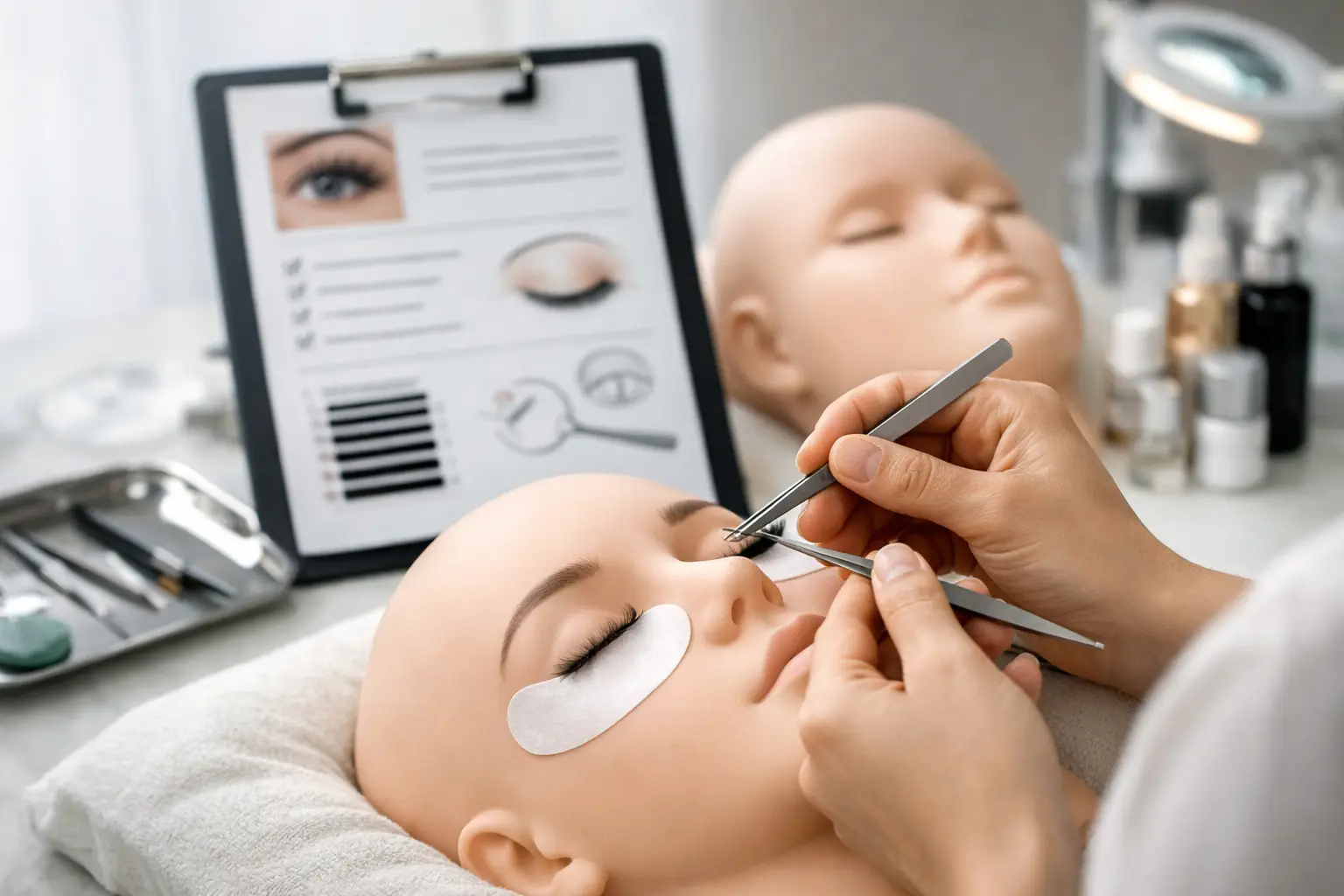
Classic lashing should be taught with precision before an artist moves into volume work. Isolating one natural lash, placing one extension correctly, managing adhesive, and maintaining clean direction are skills that take focused practice. A full, fluffy set may look glamorous in a photo, but poor isolation can lead to lashes sticking together, discomfort, premature shedding, and unnecessary stress on the natural lash.
Advanced lash extension certification may also cover hybrid sets, volume fans, wispy styling, textured sets, and mapping for different eye shapes. These are valuable additions, but they should never replace the fundamentals. A course that rushes through classic application to get to dramatic volume sets may leave a new artist with a certificate but not enough control to deliver consistently safe, beautiful work.
Sanitation is part of luxury service
Luxury is not only the look of the salon or the softness of a lash bed. It is the quiet confidence a client feels when their artist follows thoughtful safety standards from beginning to end. Training should cover hand hygiene, cleaning and disinfecting tools and surfaces, single-use supplies, proper product storage, and ways to prevent cross-contamination.
Students should also learn how to conduct a thorough consultation. That includes discussing allergies, eye sensitivities, recent eye procedures, skin conditions around the eyes, medications that may affect the service, and expectations for the final look. An artist should understand when to postpone an appointment or refer a client to a medical professional. Lashes are a beauty service, not a substitute for medical care.
Patch testing, adhesive safety, proper ventilation, and recognizing possible reactions should be addressed clearly. No course can eliminate every risk, but excellent education teaches artists not to minimize concerns or guess their way through them. Professional care means knowing your boundaries as well as your technique.
Certification and Florida Licensing Are Not the Same Thing
This distinction can be confusing, especially for someone excited to start booking clients. A lash extension certification generally confirms that you completed a private training program and demonstrated course-specific skills. It does not automatically grant permission to practice in every state or replace any cosmetology, facial specialist, esthetician, business, or facility requirements that may apply.
In Florida, rules governing beauty services can depend on the service being performed, where it is performed, and the professional credentials involved. Requirements may also change. Before enrolling in a class, confirm current standards with the appropriate Florida licensing and regulatory authorities, and ask the educator exactly what their certificate represents.
A reputable trainer will be direct about this. Be cautious with any program that suggests a weekend certificate alone makes you fully licensed without discussing state requirements, sanitation rules, or the responsibilities of operating a client-facing beauty business. Clear information is not less glamorous. It is what allows you to build a career with real confidence.
How to Choose a Lash Extension Certification Course
The right course depends on where you are starting. A complete beginner needs a program with enough hands-on guidance to develop safe placement, not simply a quick overview and a starter kit. A working artist who already performs classic sets may be ready for an advanced volume or styling course. The best investment is the one that matches your current skill level and the type of services you want to offer.
Look closely at the curriculum rather than choosing solely by the promise of fast certification. You want clear instruction in isolation, application direction, adhesive use, mapping, removals, fills, sanitation, consultations, contraindications, and aftercare. Removals deserve special attention. Taking extensions off incorrectly can cause avoidable damage, while a properly trained artist knows when a safe removal is the best service for the client.
Hands-on practice matters, too. Watching a demonstration is helpful, but it is not the same as receiving feedback while you work. Ask whether the course includes live model practice, how many students are in each class, and whether the educator corrects technique in real time. Smaller class settings often provide more personal coaching, although they may cost more than a large online program.
Support after class is another meaningful difference. Lash artistry develops through repetition. Continued access to feedback, refresher opportunities, business guidance, or a professional community can make the early months far less intimidating. A lower-priced course can be a smart choice if it covers the essentials well, but it may not offer the mentorship or extensive practice that some new artists need.
Questions worth asking before you enroll
Before committing, ask how much live practice the program includes, whether a kit is included and what it contains, and if the educator teaches safe lash removal and fills. You should also ask whether the certificate is for classic, hybrid, volume, or multiple techniques, as well as what ongoing support is available after graduation.
It is equally reasonable to ask about the trainer’s working experience and whether you can see healed or retention-focused examples of their lash work. Fresh photos matter, but strong retention, clean bases, and healthy natural lashes tell a more complete story. Beauty education should be transparent enough for you to make an informed decision.
What Certification Cannot Replace
Even excellent training does not make someone an expert overnight. A certificate marks the beginning of professional practice, not the finish line. Timing, retention, styling judgment, and client communication improve set by set.
New artists should give themselves space to build speed without sacrificing quality. Taking a little longer during early appointments is better than rushing through isolation or applying lashes too heavily. Use models thoughtfully, document your work, review retention at fills, and continue practicing the styles that challenge you. Every client’s lashes, lifestyle, and desired level of drama are different.
Client education also becomes part of the experience. The artist should explain that lashes shed naturally, fills are needed to maintain fullness, and aftercare directly affects retention. Clients who wear heavy eye makeup, use oily products around the eyes, sleep face-down, swim often, or experience seasonal allergies may need a different maintenance plan. Honest expectations are a form of exceptional service.
At The Permanent Makeup Studio, the most flattering results are always personalized. Whether a client wants soft, effortless definition or a more noticeable, event-ready finish, artistry begins with listening and continues with thoughtful care. That same standard should shape the education behind every lash appointment.
The most valuable certification is not the one that promises the fastest path to a lash bed. It is the one that teaches you to create beautiful work with patience, professionalism, and respect for every natural lash placed in your care.