
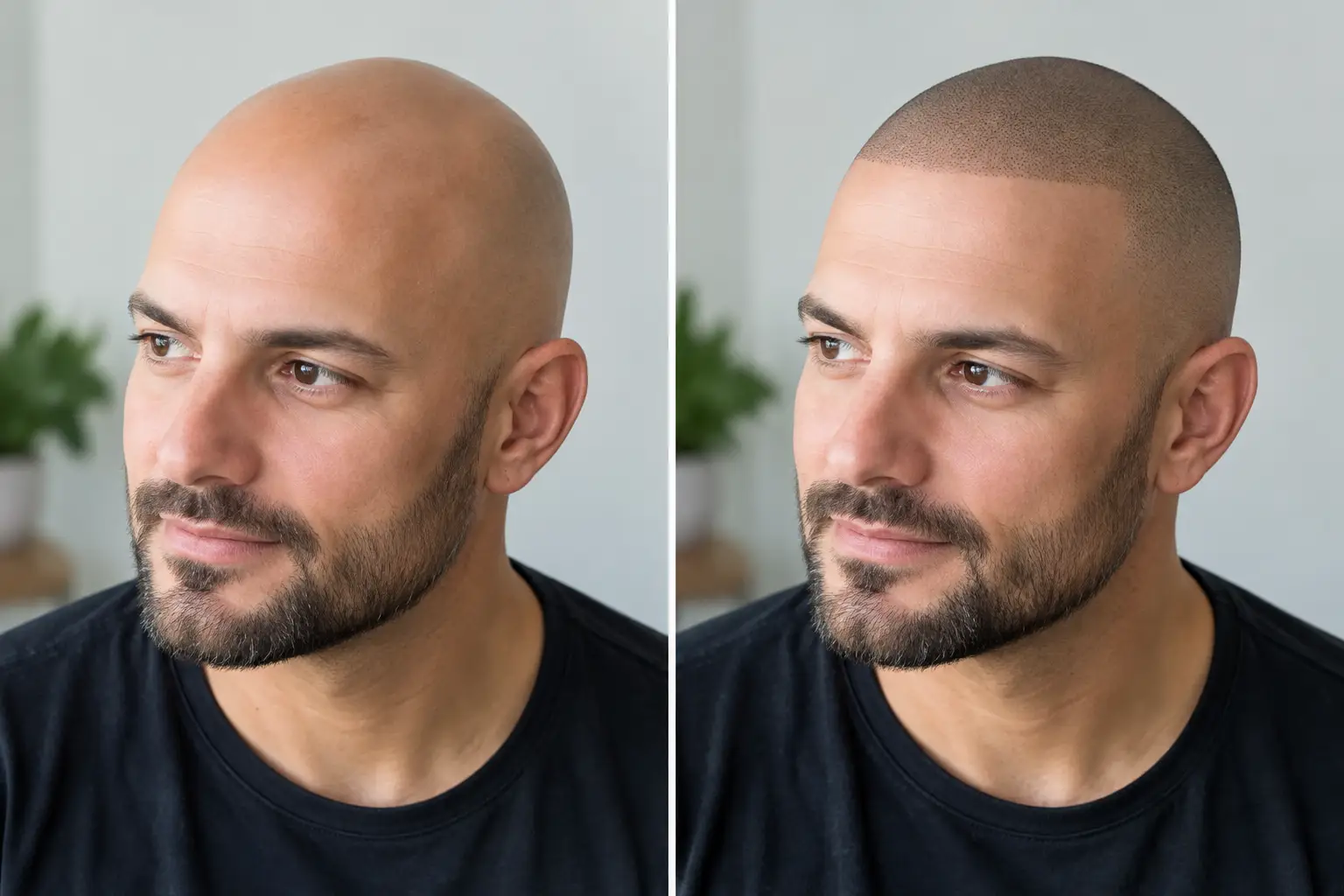
Alopecia can change the way you approach mirrors, photos, haircuts, and even a simple day at the beach. For many people, the goal is not to look like someone else. It is to feel polished, recognizable, and confident again. Alopecia tattoo results can create that shift by using scalp micropigmentation to replicate the appearance of natural hair follicles, bringing definition to areas affected by thinning or hair loss.
This is not a hair-growth treatment, and it does not replace your natural hair. It is a specialized cosmetic tattooing service that places tiny, layered pigment impressions in the scalp. When performed with thoughtful color matching, density placement, and a hairline designed for your features, the finished effect can look remarkably natural from everyday conversational distance.
What Alopecia Tattoo Results Can Look Like
The best scalp micropigmentation results do not look like a solid block of ink. They look soft, dimensional, and appropriate for your hair pattern, skin tone, age, and style. A skilled artist builds the result gradually, creating the visual suggestion of closely cropped follicles or added density beneath existing hair.
For someone with complete hair loss from alopecia areata or alopecia totalis, scalp micropigmentation can create the appearance of a fresh buzz cut with a carefully customized hairline. The goal may be clean and defined, or intentionally softer and more mature. A lower, sharper hairline is not automatically the best choice. A natural result should make sense on your face now and continue to look believable over time.
For clients with diffuse thinning, alopecia-related patchiness, or visible scalp at the crown, the treatment can reduce the contrast between hair and scalp. Pigment is placed between existing hairs to make the hair appear denser. You will still have the same amount of hair, but the scalp is less noticeable, which can make styling feel easier and more flattering.
Results vary based on the type and extent of hair loss. Scar tissue, very light skin, gray hair, sun exposure, skin condition, and pigment retention all influence the final appearance. That is why an in-person consultation matters. A personalized plan is where natural-looking results begin.
The Difference Between Natural and Overdone
Scalp micropigmentation is an artistry service, not a one-size-fits-all stencil. The difference is visible in the details: pigment shade, dot size, spacing, placement, and restraint.
A natural treatment uses a pigment tone that works with your skin undertone and any remaining hair. Pure black is rarely the answer. As pigment heals, it should blend softly rather than compete with the skin or create an obvious tattooed effect. The hairline should also have subtle irregularity. Natural hairlines are not perfectly straight or uniformly dense at the front.
Density matters just as much. If pigment is applied too darkly or too densely, it can appear heavy against thin surrounding hair. With a density treatment, the artist needs to respect the amount of hair you have and the way it falls. A lighter first session with room to build is usually more elegant than trying to achieve maximum darkness immediately.
At The Permanent Makeup Studio, this approach is especially valuable for clients who want a refined, confidence-building enhancement rather than a dramatic change that feels unlike them. The most beautiful result is one that lets you move through your day without wondering whether anyone can tell.
Why Results Are Built in Sessions
Alopecia tattoo results are usually created over multiple appointments rather than completed in one long visit. Each session gives the artist a chance to see how your skin heals, how the pigment settles, and where additional layering will create a balanced finish.
The first appointment establishes the foundation. Your artist maps the treatment area, discusses the hairline or density goal, and begins adding a light, carefully placed layer of pigment. This session is about precision, not rushing to the darkest possible result.
At follow-up appointments, the pigment is layered to improve realism and evenness. Some areas may retain pigment differently than others, particularly if there is scar tissue, an oily scalp, or skin that has been exposed to significant sun. Your artist can adjust the approach based on your actual healing response rather than guessing.
Most clients need two to four sessions, often spaced several weeks apart. The exact number depends on your scalp, the degree of hair loss, the look you want, and whether the treatment is creating a shaved-head effect or blending with longer existing hair. A touch-up may be needed in the future as pigment naturally softens or as your hair-loss pattern changes.
Healing: What to Expect After Each Appointment
Your scalp may look slightly darker, warmer, or more defined immediately after treatment. That first look is not the final result. As the skin heals, pigment generally softens and settles into a more natural appearance.
Mild tenderness, redness, or tightness can happen after a session, especially if the scalp is sensitive. Follow the aftercare instructions your artist provides closely. The healing period is part of the service, not an afterthought, because protecting the treatment area supports even pigment retention.
You may be asked to avoid getting the scalp wet, sweating heavily, swimming, direct sun, and certain scalp products for a specific period after your appointment. Florida heat, workouts, and beach days can all affect healing, so plan sessions with your routine in mind. Once the scalp has healed, daily sunscreen or head coverage can help preserve the color and reduce premature fading.
Do not pick, scrub, exfoliate, or attempt to speed up flaking. Let the scalp heal naturally. If you have questions about redness, sensitivity, or your aftercare steps, contact your provider instead of relying on generalized advice online.
Who Is a Good Candidate?
Scalp micropigmentation can be an excellent option for men and women experiencing alopecia-related hair loss, thinning around the part line, receding areas, crown visibility, or scars from previous procedures or injuries. It can also be a meaningful choice for people who want the appearance of fuller hair without daily powders, sprays, or time-consuming styling tricks.
However, timing and skin health matter. Active scalp infections, open wounds, severe irritation, uncontrolled psoriasis flare-ups, or recent procedures may require you to postpone treatment. Certain medical conditions and medications can also affect healing. During your consultation, be open about your health history, allergies, past tattoos, and any hair-loss treatment you are using.
It also helps to have realistic expectations. Scalp micropigmentation creates an optical improvement, not new follicles. If your hair loss is still progressing, your long-term plan may include future density adjustments so the pigment continues to blend beautifully with your changing hair pattern.
How to Prepare for Your Consultation
Bring photos of hairlines, density styles, or closely cropped looks you genuinely like, but stay open to professional guidance. A celebrity hairline may not suit every facial structure, age, or stage of hair loss. Your artist should listen to your vision while helping you choose an option that will look naturally yours.
Ask to discuss pigment selection, the expected number of sessions, healing timelines, maintenance, and the look you can realistically expect with your scalp and hair type. If you color your hair, wear it in a particular part, or plan to keep it shaved, mention that too. These details influence placement and density.
A quality provider will never pressure you into an overly dark scalp, an unnaturally low hairline, or a result that does not feel comfortable. This is a long-lasting enhancement, and a luxury experience should include clear education, thoughtful design, and time for your questions.
Your hair loss story is personal, but your next step can be simple: choose a consultation where your goals are heard, your scalp is assessed, and your result is designed around the confidence you want to see in the mirror.